Global Sustainability Project
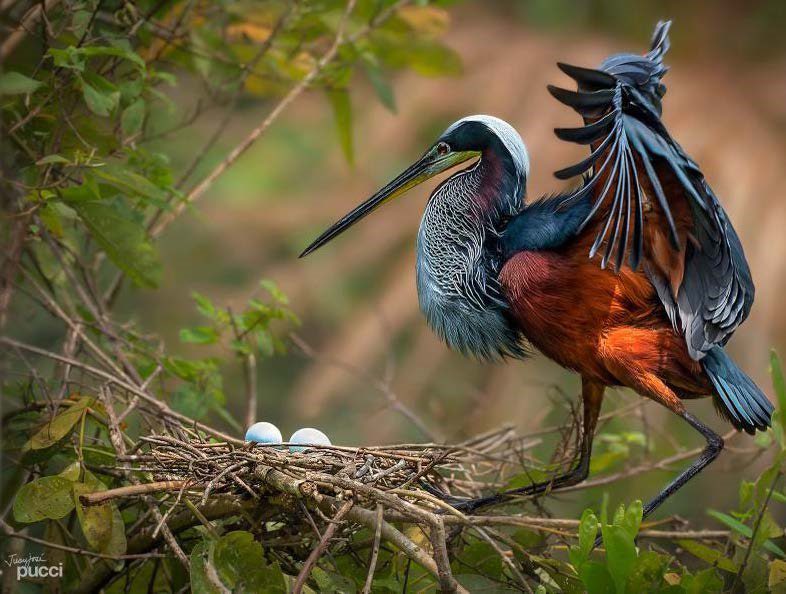
The Global Sustainability Projects creates opportunities for high school students to deepen their understanding of other cultures while contributing their skills to environmental sustainability at home and abroad.
The Picerne Family Foundation created the Global Sustainability Project in 2012, in collaboration with Advanced Placement International Baccalaureate science teachers and international environmental nonprofit organizations such as Ecology Project International and Earthwatch International. Each year, the program provides full scholarships for ten junior-year students, a teacher, and a scientist to complete a year of local conservation work before joining an international field research expedition.
Since GSP was established, 230 students, 24 teachers and 17 scientists representing 20 Southern California high schools have contributed more than 9,000 hours of local service and 15,000 hours of overseas fieldwork.
Local Service
Selected students complete 40 hours of meaningful, hands-on environmental service in their community. Students work as a group with a local university, conservancy, or nonprofit environmental organization identified by their teacher.
Expedition Preparation
As a team, students research the region they will visit and create a resource guide, then present what they have learned to Foundation members, parents, and peers.
Overseas Expedition
Students, their teacher, and the scientist who supervised their local project spend nine days conducting fieldwork with Ecology Project International at the Pacuare Reserve on Costa Rica’s Caribbean coast.
Requirements and commitment details.
Eligibility
Students must be entering their junior year, enrolled in at least one Advanced Placement course in any subject, and have a B average at a school that partners with the Foundation.
How Students Are Selected
The Foundation selects students who demonstrate academic achievement, extracurricular involvement, and leadership. Candidates advance through a written application and interview process. The Foundation works directly with each school’s AP Biology or Environmental Science teacher to manage the selection process.
Program Commitment
Selected students commit to 40 hours of local service, a preparatory research project, and a nine-day overseas expedition, beginning in their junior year. Students are expected to make the Global Sustainability Project their extracurricular priority during their junior year.
Partner Schools
Since 2012, more than 230 students, 24 teachers, and 17 scientists from 20 high schools have participated in GSP. Participating schools include Carlsbad, Corona del Mar, Dana Hills, Early College, Edison, El Modena, Gahr, Ocean View, Orange, Rancho Buena Vista, San Clemente, Segerstrom, and Whitney High Schools.
Teachers interested in bringing GSP to their school are invited to contact the Foundation through the Contact page.
Past Expeditions
Rancho Buena Vista High School
Ten Rancho Buena Vista students traveled to the Pacuare Reserve on Costa Rica's Caribbean coast for nine days of sea turtle research with Ecology Project International scientists.
Corona del Mar High School
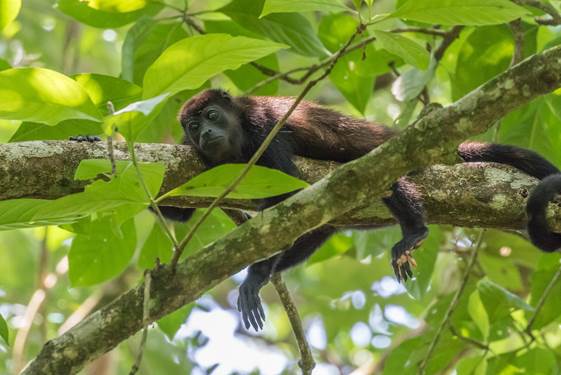
Ten Corona del Mar students traveled to the Pacuare Reserve on Costa Rica's Caribbean coast for nine days of fieldwork on tropical felines and primates with Ecology Project International scientists.
Dana Hills High School
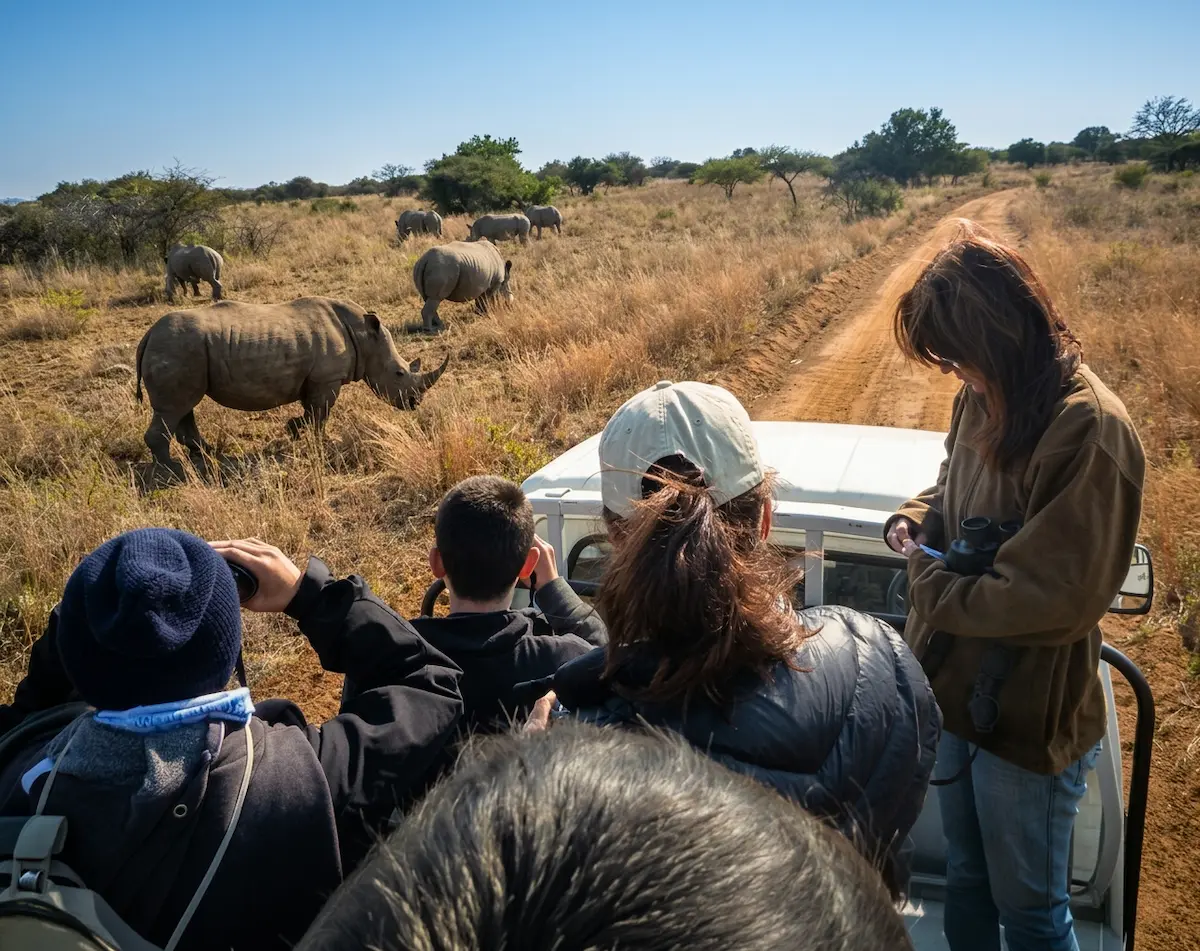
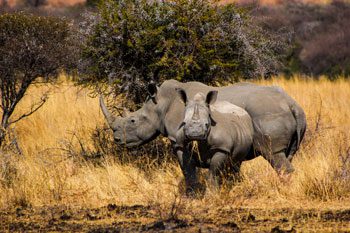
Ten Dana Hills students traveled to South Africa's Mankwe Wildlife Reserve to aid research scientists studying ecological sustainability among Africa's wildlife, particularly endangered rhinos.
Edison High School
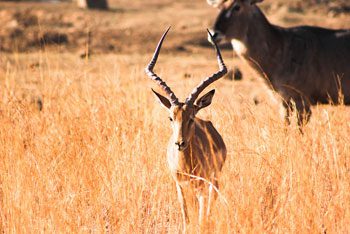
Ten Edison High students traveled to South Africa's Mankwe Wildlife Reserve to aid research scientists studying ecological sustainability among Africa's wildlife.
Segerstrom High School
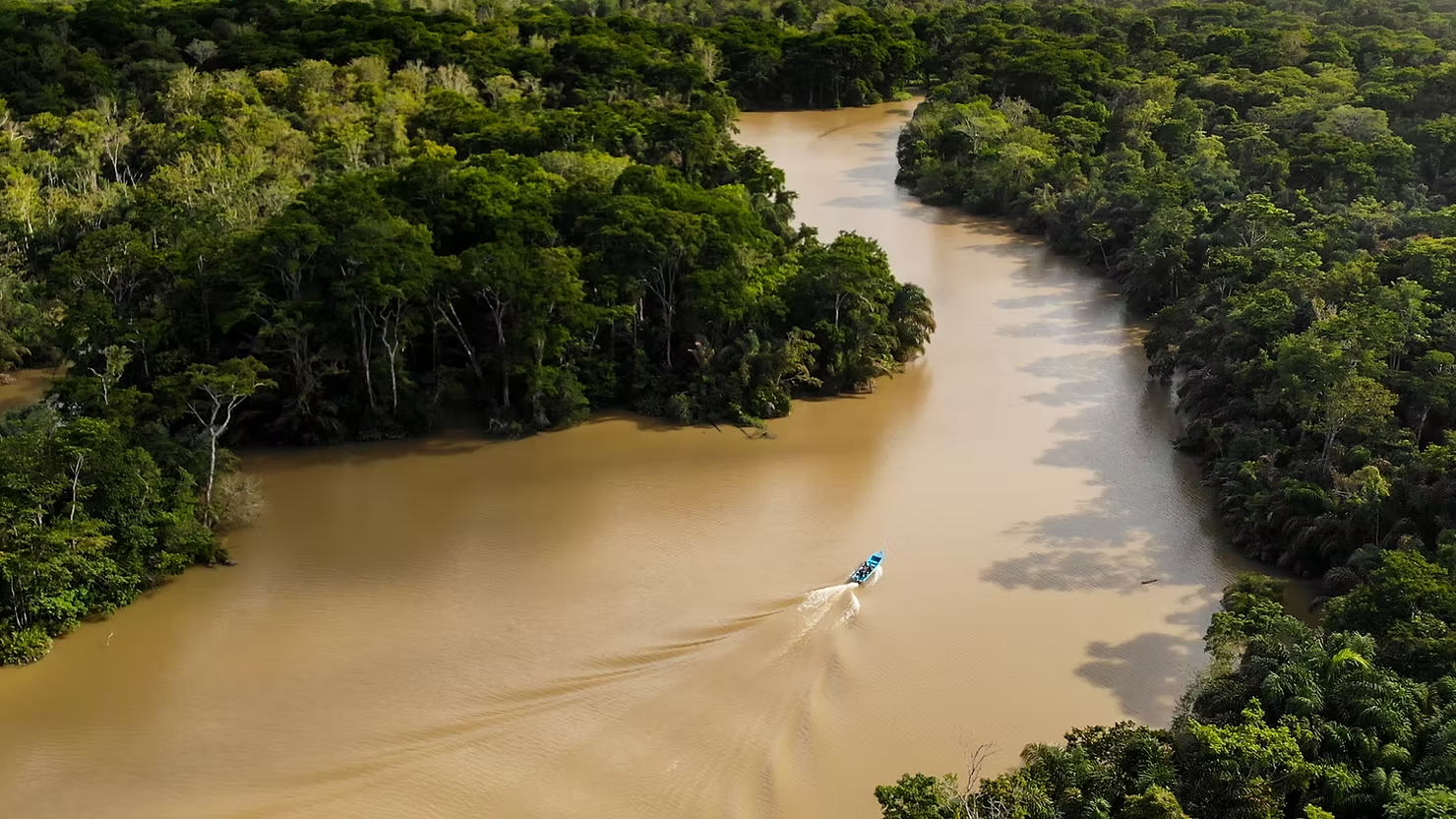
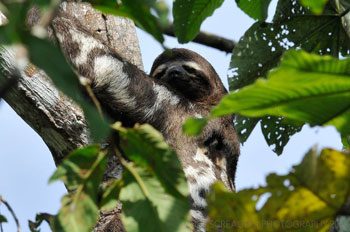
Ten Segerstrom students traveled to the Pacaya-Samiria National Reserve in the Peruvian Amazon to assist research scientists studying the impact of climate change on the flooded forest ecosystem and local indigenous communities.
.jpg)
El Modena High School
El Modena students assisted Dr. Jennifer Funk's plant biodiversity research at Chapman University, studying how plants respond to reduced water availability, before traveling to South Africa's Mankwe Wildlife Reserve to aid research scientists studying ecological sustainability among Africa's wildlife.
.jpg)
Carlsbad High School
Carlsbad students restored eroding coastal bluffs at the Agua Hedionda Lagoon, then traveled to South Africa's Mankwe Wildlife Reserve to support rhino conservation research.
.jpg)
Whitney High School
Whitney High students helped restore the Los Cerritos Wetlands, then traveled to South Africa to study endangered species.
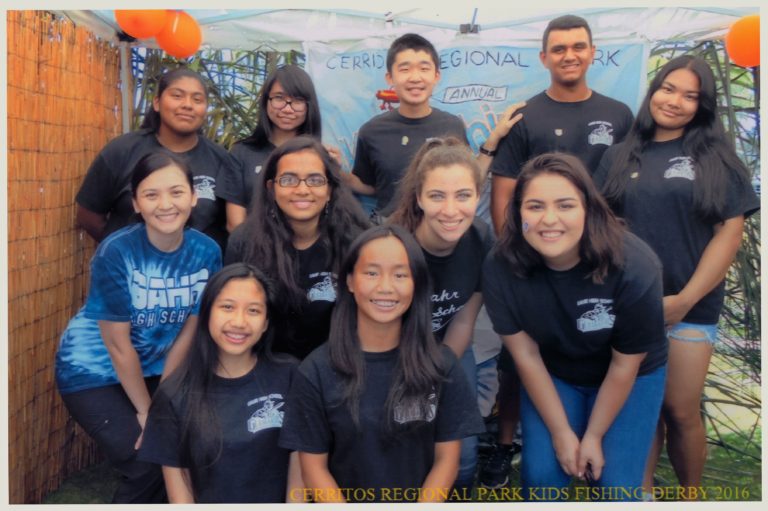
Gahr High School
Gahr High students led a published water quality study for the City of Cerritos, then traveled to South Africa to support rhino conservation research.
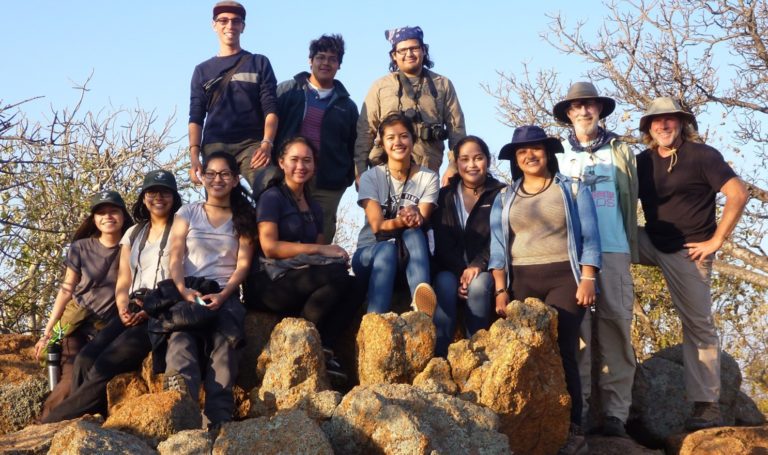
Segerstrom High School
Segerstrom students restored habitat at the Bolsa Chica Ecological Reserve, building a partnership that continues today, before traveling to South Africa for rhino research.
.jpg)
Corona del Mar High School
Corona del Mar students studied California spiny lobster populations with the City of Newport Beach, then traveled to South Africa to study rhino conservation efforts.
.jpg)
Dana Hills High School
Dana Hills students helped build a new STEM trail at Crystal Cove State Park, then traveled to South Africa to study the brown hyena's impact on local ecosystems.
.jpg)
San Clemente High School
San Clemente students created an award-recognized field guide for the San Mateo Creek watershed, then traveled to South Africa for endangered species research.
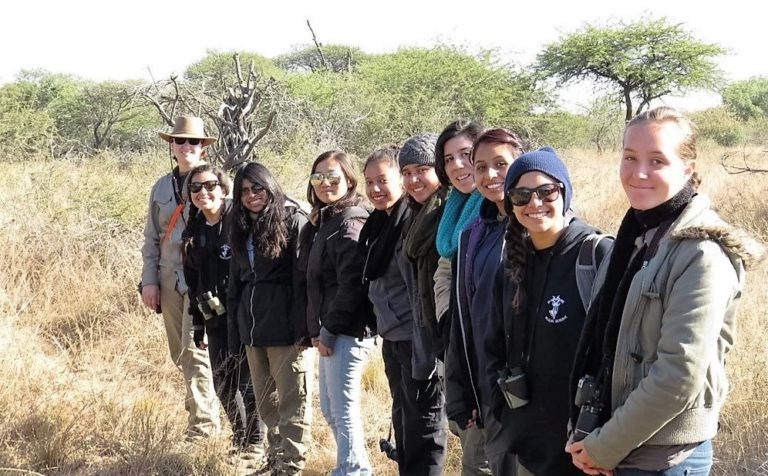
Early College High School
Early College students studied zooplankton DNA in Newport Bay, discovering a specimen thought to exist only in Japan, before traveling to South Africa for endangered species research.
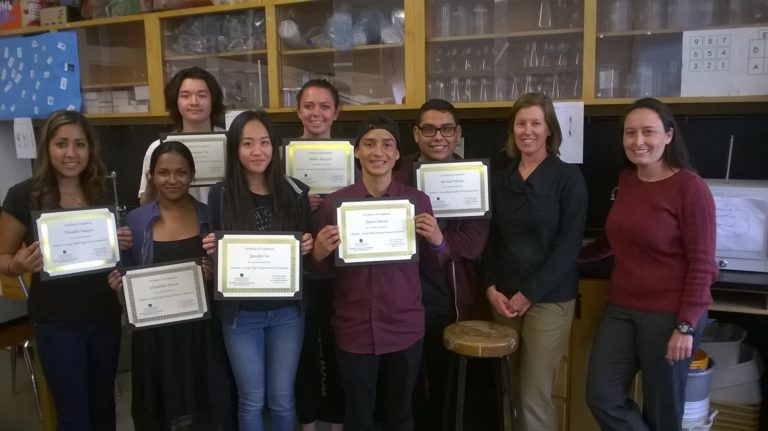
Orange High School
Orange High students assisted plant biodiversity research at Chapman University, then traveled to South Africa to study ecosystem impact and biodiversity.
Ocean View High School
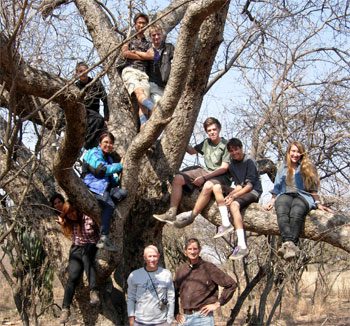
Ocean View students restored native habitat at the Bolsa Chica Reserve, then traveled to South Africa to study endangered species and ecosystem biodiversity.